

Chest Muscle Structure: The Complete Science of a Chiseled Pec Complex
A thick, well-defined chest is the centerpiece of a powerful upper body physique. However, many lifters at rahullifters.com find themselves stuck with flat or imbalanced chests despite spending hours on the standard flat bench press.
To break through stubborn plateaus and build a full, armored chest, you must look past the basic "pushing" instinct. The chest is a complex muscular system with muscle fibers running at various angles. This comprehensive, research-driven guide breaks down the full structural anatomy of your chest and details the absolute best exercises to maximize growth across every sector.
Anatomy of the Pectoralis Muscle Network
The chest is primarily composed of the pectoralis major and the underlying pectoralis minor. The pectoralis major itself is split into distinct regions based on where the muscle fibers attach to your skeleton.
To achieve a complete, three-dimensional look, you must alter your pressing angles to align perfectly with these specific fiber pathways. Training without understanding this alignment causes stronger muscle sectors to take over, leaving weaker areas underdeveloped.
Chest Muscle Anatomy & Function Guide
| Muscle Group | Anatomical Head | Primary Function | Optimal Bench Angle |
|---|---|---|---|
| Upper Chest | Clavicular Head | Shoulder Flexion & Inward Clavicular Rotation | 30° to 45° Incline Press |
| Mid-Chest | Sternocostal Head | Horizontal Adduction (Bringing arms together) | Flat Bench / Parallel Vector |
| Lower Chest | Abdominal Head | Downward Adduction & Extension | 15° Decline / Parallel Dips |
1. The Upper Chest (Clavicular Head)

The upper chest originates at your collarbone (clavicle) and runs downward across to your upper arm bone. This is the most common lagging area for natural lifters, resulting in a chest that looks heavy at the bottom but empty underneath the collarbone.
Because the upper pects are designed to lift your arm upward and forward (shoulder flexion), you must train them using an incline angle. However, a common mistake is setting the incline bench too high (60 degrees or more), which shifts the mechanical load directly to your front shoulders.
The absolute best exercises for this zone are the **Incline Dumbbell Press** set at a strict 30-degree angle and the **Low-to-High Cable Fly**. Dumbbells allow your hands to converge naturally at the top, creating a deep squeeze that standard barbells cannot replicate.
Are your pressing metrics climbing upward? Keep a steady eye on your strength progress by logging every set inside our WORKOUT-LOG.
2. The Mid-Chest (Sternocostal Head)

The sternocostal head is the largest component of your chest wall, anchoring directly along your breastbone (sternum). This region gives your upper body its foundational thickness, width, and deep inner line separation.
The primary function of the mid-chest is horizontal adduction—bringing your upper arms across the midline of your body. While compound presses handle heavy loads, they lack a complete squeezing range of motion because your hands cannot cross over each other.
The premier movements for complete sternocostal hypertrophy are the **Flat Dumbbell Bench Press** and the **Seated Machine Chest Fly**. When using a fly machine, focus on keeping your chest proud and pulling your biceps together rather than just touching your hands, ensuring maximum tension stays on the chest tissue.
Fueling dense muscle tissue requires an accurate balance of daily recovery energy. Monitor your intake targets with our CAL-TRACK app.
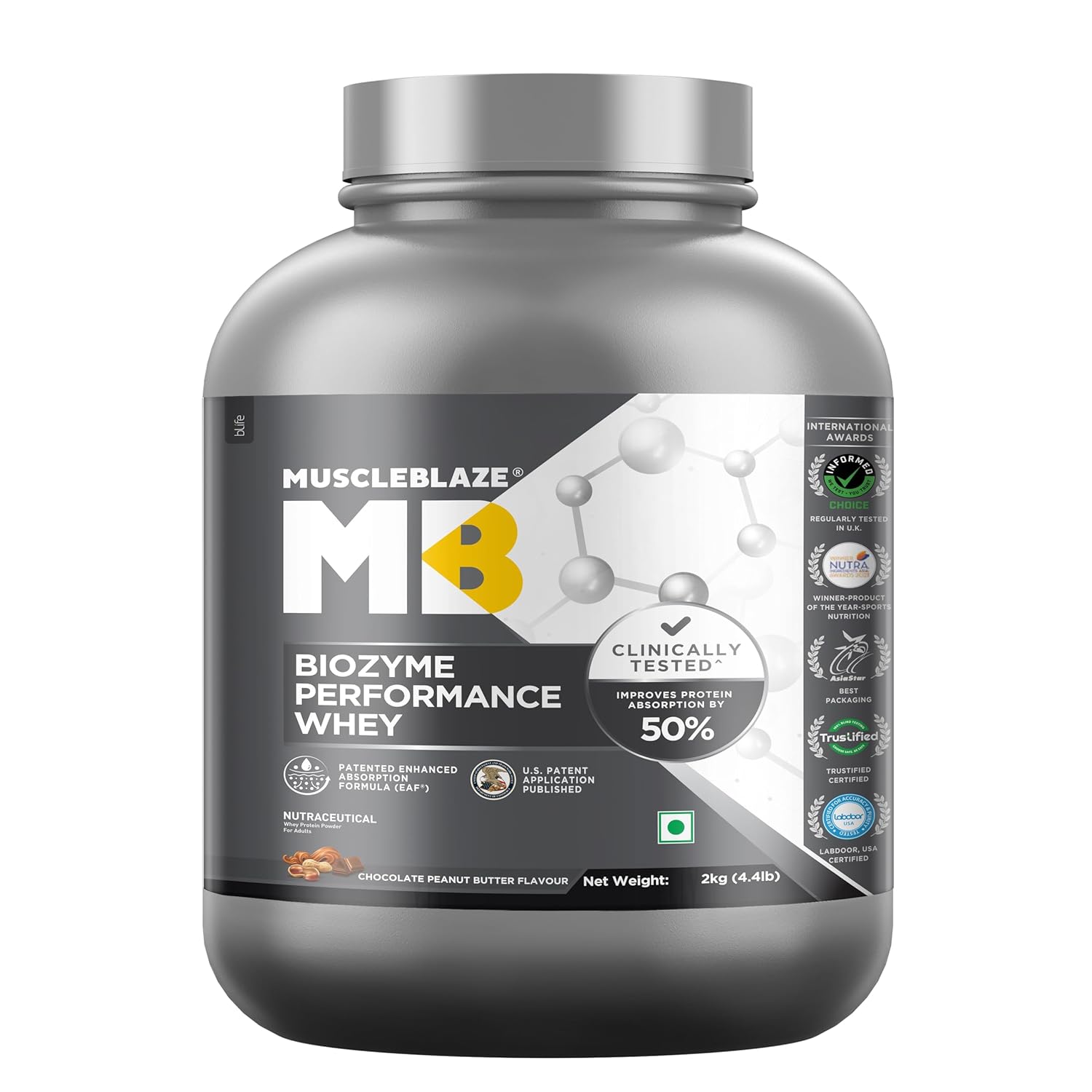
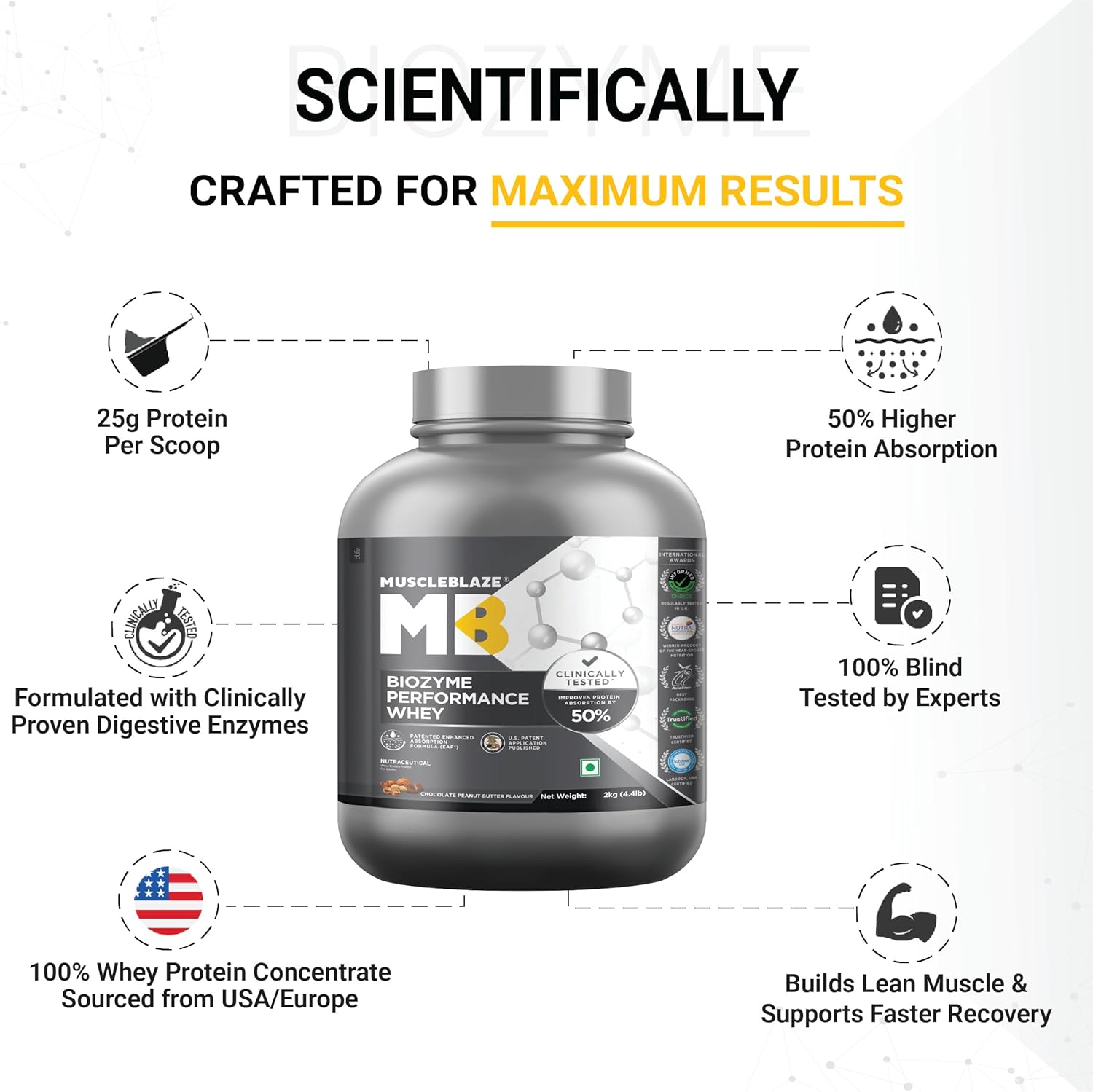

Best MuscleBlaze Whey Protein
MuscleBlaze Biozyme Performance Whey Protein Powder, Chocolate Peanut Butter (2kg / 4.4lbs) | 25g Protein Per Scoop
Check Price on Amazon3. The Lower Chest (Abdominal Head)

The abdominal head forms the sweeping underline of the lower chest, giving your torso a sharp definition that separates your upper upper-body from your core. Developing this region gives the chest an aesthetic, square look.
The fibers of the lower chest run downward toward your stomach. To target them, your arms must push downward relative to your torso. Many lifters rely heavily on the decline barbell bench press, but this movement has a short range of motion and puts extra stress on the rotator cuffs.
The supreme exercises for lower chest isolation are **Weighted Parallel Bar Dips** and **High-to-Low Cable Crossovers**. When performing dips, lean your torso forward at roughly a 15-degree angle and tuck your chin to keep the focus entirely on your lower pectorals instead of your triceps.
The Deeper Layer: Pectoralis Minor & Serratus
Beneath the massive pectoralis major lies the **pectoralis minor**, a thin, triangular muscle that controls scapular depression (pulling your shoulders downward and forward). Surrounding the outer ribs is the **serratus anterior**, the finger-like muscles that stabilize your shoulder blades.
While these muscles aren't part of the main chest surface, developing them keeps your shoulders healthy and creates a dense, athletic frame. The best movement to activate both structures simultaneously is the **Dumbbell Pullover**. Lie across a flat bench, hold a single dumbbell overhead, and lower it behind your head while keeping a slight bend in your elbows to stretch the rib cage walls.
Need help fitting these isolation and compound movements into a balanced Daily Eating plan, Build your ideal lifestyle Daily Diet-Plan today using our CUSTOM DIET-PLAN-MAKER.
Optimizing Your Mind-Muscle Connection
The chest joint is incredibly easy to misuse. Most lifters accidentally turn chest day into a shoulder and triceps session by lifting with poor technique. To prevent this, pull your shoulder blades back and pin them firmly down against the bench before you start any chest exercise.
This simple adjustment opens up your chest cavity, keeps your rotator cuffs safe, and forces your pectorals to do the hard work of moving the weight. Control the lowering phase for 2-3 seconds, pause briefly at the bottom stretch, and press upward using your chest rather than bouncing the weight off your ribs.


Best Peanut Butter 100% Peanuts Only
Pintola All Natural Peanut Butter Crunchy 1kg | Smooth, Unsweetened | 30g Protein | Gluten & Cholesterol Free, Vegan Peanut Butter, Nut Butter, High in Protein Spread, 100% Pure Roasted peanuts butter
Check Price on AmazonFrequently Asked Questions
Q: How do I target the inner chest line?
A: There is no distinct "inner chest" muscle head. To build density along the breastbone, use cable flies or dumbbell presses that allow your arms to cross the midline of your body for a complete, intense contraction.
Q: Is the barbell bench press necessary for chest growth?
A: No. While it's great for building general upper body strength, dumbbells and cables often provide a better range of motion and safer tracking for long-term chest growth.
Building an elite chest is a game of strategic pressing angles, strict shoulder blade control, and progressive overload. Focus on high-quality execution, feed your body properly, and reach your ultimate fitness potential at rahullifters.com!
Comments
Post a Comment